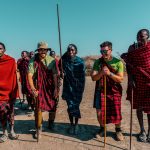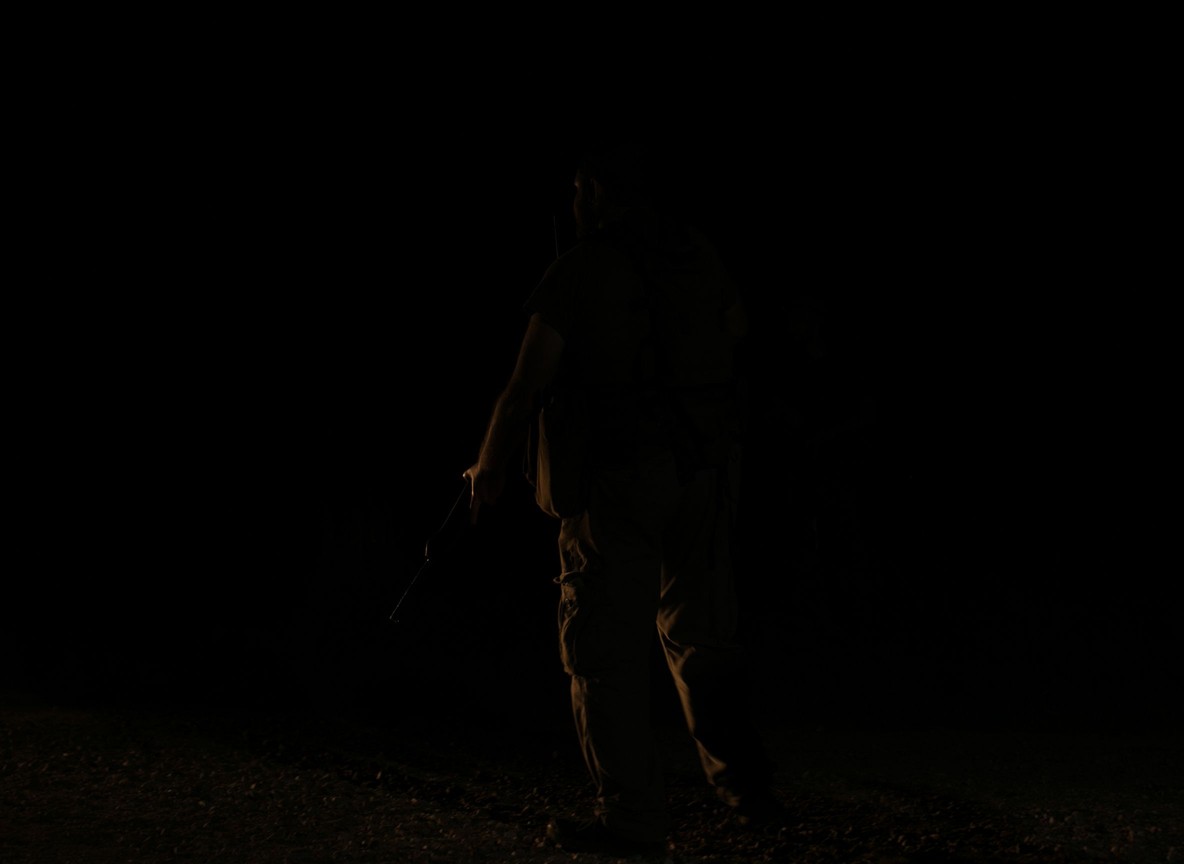
Most safari camps in the Maasai Mara and Serengeti have no fence. Buffalo graze past dining tents. Hyenas trot through camp looking for scraps. Elephants strip fruit from trees a few meters from your bed. None of that happens unmanaged. A team of askaris, the Swahili term for guards or watchmen, works through the night. That is how guests sleep behind canvas walls without worrying about what is outside them. Touring Insights spoke with camp managers and reviewed staffing practices across several East Africa properties. Here is what an askari’s shift actually involves, why unfenced camps stay safe, and what to know before your own stay.
What an Askari Actually Is at a Safari Camp
An askari is camp security staff, usually a local hire from a nearby community, trained specifically for wildlife-proximity work rather than general guarding. The role is distinct from a safari guide or driver. Guides interpret wildlife and lead game drives. Askaris manage the camp perimeter and guest movement after dark. Most camps run two overlapping roles. A daytime askari watches the grounds during quiet hours. Then a separate night askari team works from dusk until sunrise. Camps with more than 10 tents typically staff at least two askaris on the night shift. That way one can always escort a guest while another stays on watch.
A Night Shift, Hour by Hour
The job starts before dark. Askaris walk the camp perimeter at dusk. They check for fresh animal tracks near tent paths and confirm that walkways are lit and torches are stocked at each tent. Once dinner service ends, the core job begins. Staff escort every guest from the mess tent or fire pit back to their own tent, one at a time, on request. This is standard practice at unfenced camps in the Mara and Serengeti, not an optional extra. Guests are asked not to walk alone after dark for a simple reason. Hippos and buffalo cause more serious incidents at camps than big cats do, and both graze near tents at night.
Through the small hours, askaris patrol on a rotation. They watch for animals moving through camp and keep the fire pit embers safe. Many camps also run a call-out system: a whistle, an air horn, or a two-way radio at each tent. A guest can signal for an escort at 2 a.m. without leaving the tent. Askaris respond to those calls first, ahead of any other duty. Toward first light, the team walks the grounds again. They clear pathways before the camp wakes for early game drives.
Training and Local Hiring
Camps prioritize hiring askaris from the surrounding community, often from Maasai villages bordering the conservancy or reserve. Local knowledge of animal behavior and movement patterns is treated as a core qualification, not a bonus. Training covers animal-avoidance techniques, most of which rely on distance, noise, and torchlight rather than physical confrontation. Askaris are taught to identify warning signs, such as a hippo’s grunt sequence or an elephant’s ear position. They redirect guests calmly rather than react suddenly. Most camps do not arm night staff with anything beyond a torch and a radio. A minority operating in higher-risk zones near reserve boundaries keep rangers or armed scouts on call. That is the exception, not the norm, and it is usually a partnership with a conservancy ranger unit rather than in-house camp staff.
Camp Security Facts: Quick Reference
| Detail | Information |
|---|---|
| Typical night askari team size (10-12 tent camp) | 2-4 staff on rotation |
| Shift length | Dusk to sunrise, roughly 11-12 hours |
| Escort request method | Whistle, air horn, or in-tent radio call |
| Maasai Mara National Reserve size | approx. 1,510 km2 |
| Nairobi to Maasai Mara distance | approx. 270-290 km by road, or 45-50 min by air |
| Reserve conservation fee (non-resident adult, Narok County gates) | indicative USD 80 per person per day |
| Conservancy bed-night fee (Mara North, Naboisho) | indicative USD 70-100 per person per night |
| Common Mara access gates | Sekenani Gate, Talek Gate |
Fees are indicative and change by season and operator; confirm current rates with your camp or conservancy before booking.
Why Fences Are Rare in the Mara and Serengeti
Fencing an entire safari camp sounds like the obvious fix, but most conservancies and reserves discourage or ban it outright. Fences block wildlife migration corridors. The Mara ecosystem depends on animals moving freely between the reserve, community conservancies like Mara North and Naboisho, and the wider Serengeti system across the Tanzania border. A fenced camp also changes the experience guests come for. Waking up to buffalo grazing outside your tent, at a safe distance and under staff supervision, is part of what an unfenced stay in the Mara offers. Camps trade that fencing for staffing instead. That is why the askari role exists at the scale it does.
This tradeoff shapes camp design too. Many properties place the mess tent and fire pit at the center of camp, with sleeping tents spaced out along a loop path. That layout keeps guests within an askari’s sightline during the evening hours and gives staff a predictable patrol route. Camps built this way can run a smaller night team than a sprawling layout would need. Two askaris on a tight loop can cover the same ground that four would need on a scattered one.
Comparing Camp Types: Security Approach
| Camp type | Typical night security setup | What this means for guests |
|---|---|---|
| Small unfenced tented camp (6-12 tents) | 2-3 askaris, escort-on-request, radio call-out | Always request an escort after dark; do not walk alone |
| Larger unfenced lodge-style camp (20+ rooms) | 4-6 askaris, fixed patrol routes, lit walkways | Escort still recommended; paths often better lit |
| Fenced or semi-fenced property | Perimeter fence plus 1-2 gate askaris | Lower wildlife-proximity risk; less of an “open bush” feel |
| Mobile fly-camp | 1-2 askaris, closer guest-to-guard ratio due to small group size | Highest wildlife proximity; strict escort rules typically enforced |
Explorer Notes
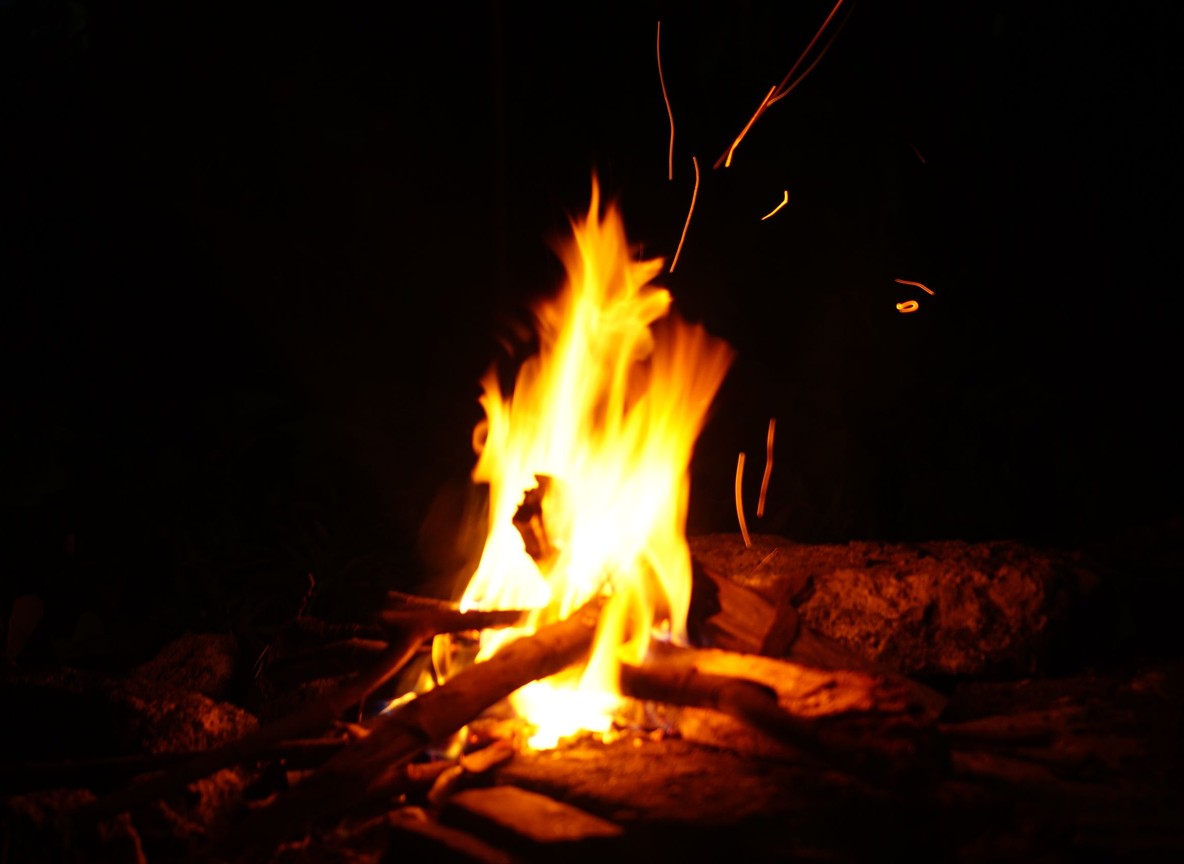
Guides and camp managers in the Mara North and Naboisho conservancies point to two busy windows for askari call-outs. The first is just after dinner, when hyenas and buffalo move through camp looking for scraps near the mess tent. A second, quieter window falls around 3-4 a.m., when elephants often pass through on their way to feed. If you are staying near a river, such as one bordering the Mara River or Talek River, ask your askari on arrival where hippos typically cross at night. That single question tells you which tent paths to treat with extra caution. Solo travelers and families with children should also ask the camp manager, not just the askari on duty, whether radios or whistles are provided in-tent. Not every smaller camp includes both. It also helps to keep your tent zipped and torch within reach at all times. Askaris expect a call, not a wandering guest, when something moves through camp.
What to Read Next
- Wondering how camps balance an open, unfenced feel with guest safety more broadly? See our safari camp safety planning guide for first-time visitors.
- Curious about the other staff roles that keep a camp running day to day? Read our behind-the-scenes look at safari camp crews, from spotters to housekeeping.
- Deciding between a mobile fly-camp and a fixed tented camp? Compare the two in our fly-camp versus permanent camp guide.
FAQ
What does an askari do at a safari camp? An askari is night and perimeter security staff at a safari camp. Duties include escorting guests between tents after dark, patrolling for wildlife near the grounds, and responding to guest call-outs through the night.
Is it safe to stay at an unfenced safari camp? Yes, if you follow one precaution: request an askari escort after dark rather than walking alone. Most incidents at unfenced camps involve guests moving without an escort, not askari failures.
Are safari camp askaris armed? Most are not. Training relies on distance, torchlight, and noise to redirect animals. A small number of camps near reserve boundaries coordinate with armed conservancy rangers for higher-risk situations, but this is not standard at most tented camps.
How do I call an askari for an escort at night? Most camps provide a whistle, air horn, or in-tent radio at check-in. Ask your camp manager to confirm the system used at your specific property, since it varies by camp.
Why don’t more Maasai Mara camps use fences instead of night guards? Fencing blocks wildlife migration corridors between the reserve and surrounding conservancies. Most properties in the Mara and Serengeti ecosystem avoid fencing for this reason and rely on trained askari staff instead.
Curious which camps in the Mara or Serengeti pair strong night-security staffing with the open, unfenced experience you’re after? Visit our Tour Packages page to compare properties. Or ask a partner operator to point you toward camps with in-tent radio call-outs if that matters for your stay.
Further reading
More safari planning resources
- Kenya national parks map from SafariPure
- Interactive Maasai Mara map from Valley Safaris
- Is Kenya safe to visit? on Touring Insights
- Masai Mara destination guide on FindMySafari
Related guides: Magashi Camp: Inside the Lodge on Akagera’s Wild Peninsula.